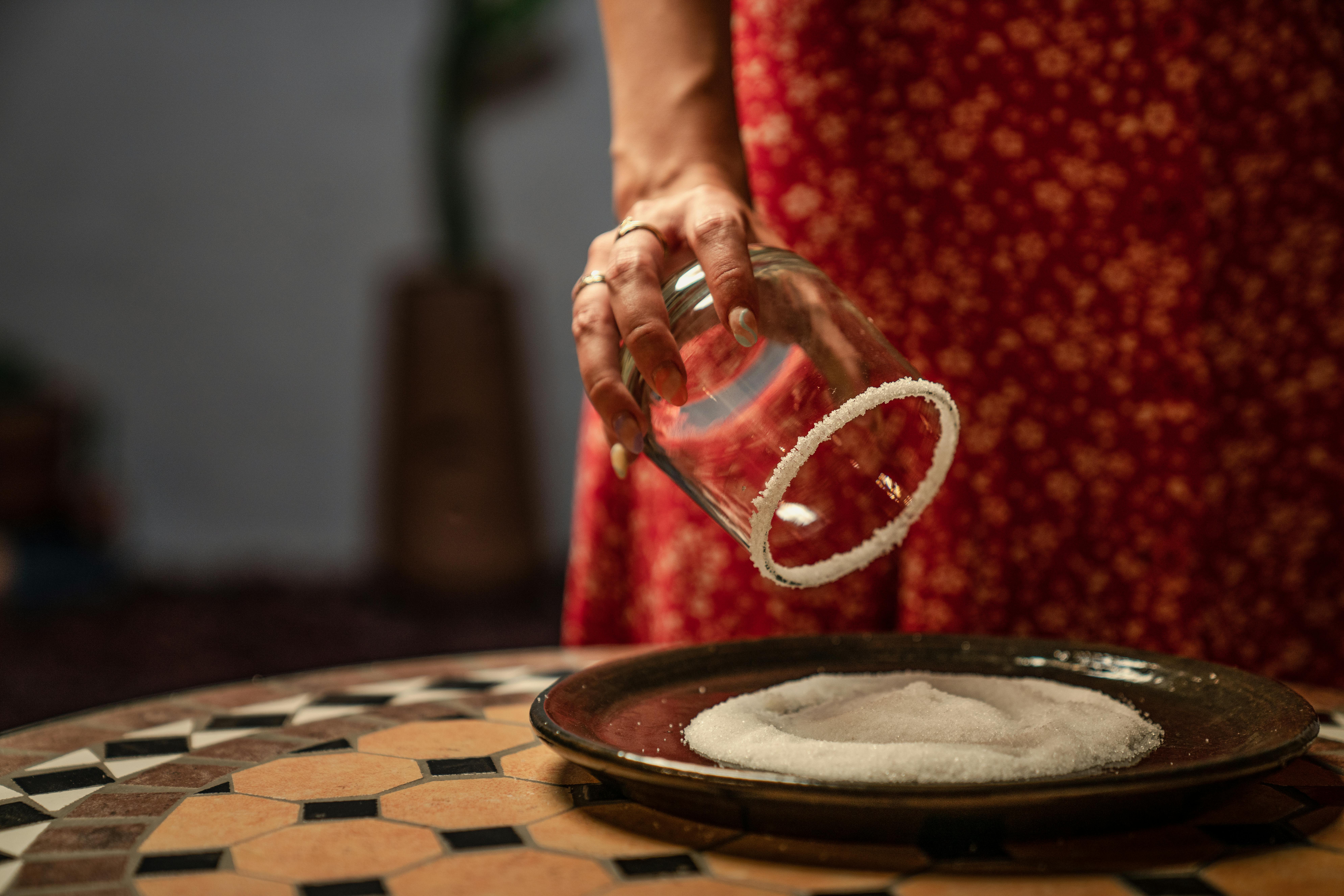
Fresh grease and oil spills in the kitchen can be frustrating, but table salt is a cheap, widely available absorbent that often makes the initial cleanup easier. This guide explains how to use ordinary table salt to lift fresh grease and oil from kitchen surfaces, countertops, textiles, and even cookware, with step-by-step instructions, timing recommendations, and safe follow-up cleaning methods.
Why salt works
Salt is granular and porous, so when sprinkled onto a fresh oil or grease spot it helps absorb and wick away some of the liquid. It also provides light abrasive action that can help dislodge greasy residue. Salt is best for fresh spills — it won’t magically remove an old, set-in stain, but it can reduce the amount of grease you need to treat afterward.
General steps for fresh grease spills
- Act quickly. The faster you apply salt the more oil it will absorb.
- Blot first if possible. For large pools, gently blot excess oil with paper towels to remove surface oil before applying salt. Avoid rubbing — that spreads the grease.
- Generously cover the area. Sprinkle a generous layer of table salt over the spill until the surface is saturated and the spill is covered.
- Let it sit. Allow the salt to rest on the grease for 10–30 minutes. For heavier spills you can leave it longer, up to an hour, but do not let salt sit indefinitely on metals or delicate surfaces.
- Lift the salt. Use a brush, dustpan, or vacuum to remove the salt and the absorbed oil. On textiles, gently lift the salt with a spoon or by shaking it out (hold the fabric over a trash bin).
- Follow up with degreasing. After the salt has done its job, clean the area with a degreasing agent — dish soap and warm water for hard surfaces, or a pre-wash stain remover and machine wash for many fabrics.
Timing and expectations
For fresh spills: 10–30 minutes of salt contact time is usually enough to absorb a significant amount of surface oil. For heavily saturated spills, you may repeat the salt application once. For older or set-in stains, salt will have limited effect and you should move to enzymatic cleaners and stain treatments.
Countertops and hard kitchen surfaces
- For laminate, sealed wood, tile, stainless steel, and quartz: follow the general steps above. After removing the salt, wash the area with hot water and dish soap, rinse, and dry with a clean cloth.
- For granite or marble: be cautious. Salt itself is not acidic, but abrasive scrubbing can dull polished stone. Use a gentle hand, avoid harsh scrubbing, and never follow salt with an acidic cleaner (like straight vinegar) on marble. Instead, use a mild dish soap solution and rinse thoroughly.
- Don’t leave salt on metal surfaces for long periods — salt plus moisture can accelerate corrosion on some metals. Clean off salt promptly after use.
Textiles, upholstery, and carpets
- Blot first. Remove excess oil with paper towels without rubbing.
- Apply salt. Generously cover the greasy area and let it sit 10–30 minutes.
- Remove salt. Gently lift the dry salt with a spoon, vacuum, or by shaking out the fabric (do this over a trash can).
- Pre-treat for laundering. Apply a liquid dish soap or a pre-wash stain remover to the remaining stain and let it sit for 10–15 minutes. For carpets and upholstery, use a small amount of dish soap mixed with warm water and blot with a clean cloth. Avoid soaking the backing of carpets.
- Launder as appropriate. Machine wash textiles in the hottest water safe for the fabric with a good detergent. Do not put stained items in the dryer until the stain is fully removed, as heat sets oil stains.
Note: Do not use salt on delicate fabrics like silk, some wools, and vintage or labeled ‘dry clean only’ items. Salt may be abrasive or may affect dyes. Always test a hidden area first.
Cast-iron cookware and pans
Coarse salt (not fine table salt) is often used as a scrub for cast-iron to remove stuck-on food and grease. Sprinkle coarse salt into the warm pan and scour with a paper towel or stiff brush. Rinse with minimal water, dry immediately, and re-season with a thin layer of oil to protect the surface. Avoid leaving table salt on cast iron overnight.
Follow-up cleaning tips
- After removing the bulk with salt, always finish with a degreasing wash: dish soap, warm water, and a soft sponge for hard surfaces.
- For lingering greasy residues on countertops, a paste of baking soda and water applied gently can help lift stains, then rinse well.
- For stubborn textile stains, use an enzyme-based laundry pre-treater or soak in an enzyme detergent before washing.
- Never mix strong chemicals (like bleach and ammonia) during cleanup. Stick to mild detergents and follow label directions for commercial stain removers.
When not to use salt
Avoid using salt on delicate fabrics (silk, some wool), unwaxed or unfinished wood surfaces, and on polished marble if you plan to scrub aggressively. Also avoid prolonged salt contact on untreated metals to prevent corrosion. If in doubt, test a small hidden area first.
Quick troubleshooting
- Stain still visible after laundering: repeat pre-treatment with a stronger enzyme stain remover and rewash.
- Grease on carpet that resists salt: try club soda blotting (test colorfastness) followed by an enzyme cleaner.
- White residue after cleaning: this is likely residual salt — wipe with a damp cloth and dry the surface.
Salt is a fast, inexpensive first-aid option for fresh grease and oil spills. It won’t replace proper degreasing and stain treatments when needed, but it can reduce the mess and make follow-up cleaning more effective. When used appropriately and tested where necessary, salt is one of the simplest tools in your home-cleaning toolbox.





Tip: for cast iron I always use coarse kosher salt to scrub while the pan is still warm, then re-oil. Works wonders for stuck-on grease.
Helpful article. For carpets I combined the salt trick with a bit of club soda and it lifted the stain before a full shampoo.
Thanks for the warning about delicate fabrics — I once tried salt on a silk blouse and it messed up the texture. Tested on a hidden seam now!
Great step-by-step guide — I used table salt on a fresh frying oil spill and it really cut down the mess before I finished with dish soap. Saved the countertop finish, too.
Would you recommend salt for greasy stains on car upholstery? I have a fresh engine oil drip on a garage towel.